
发布预告|由我院院长周慎参与撰写的联合国人工智能与人类发展旗舰报告将于12月2日全球发布
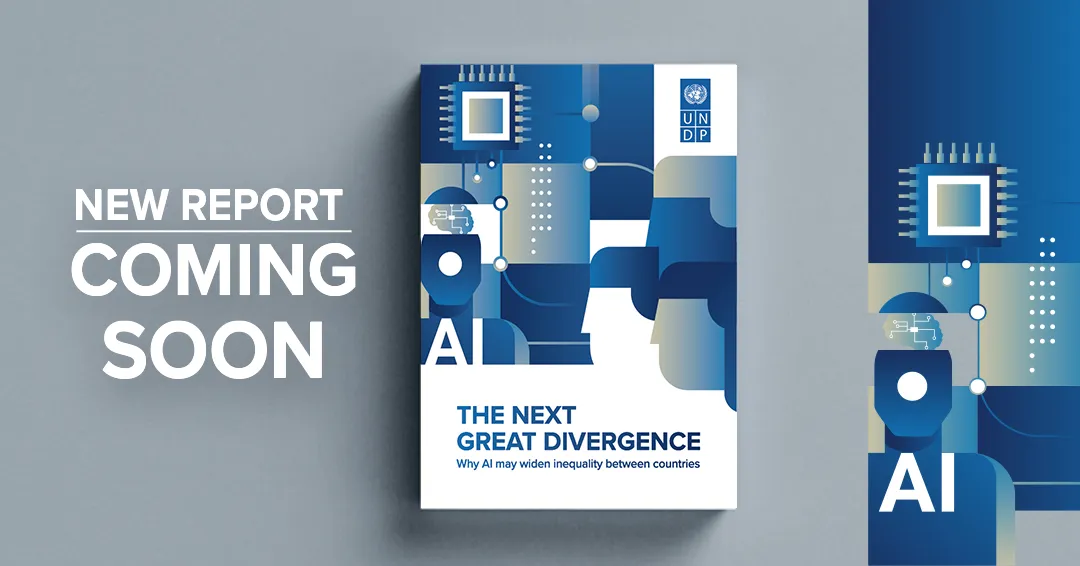
联合国开发计划署(UNDP)即将发布的人工智能与人类发展主题报告《下一个大分化》(The Next Great Divergence),探讨了人工智能如何重塑各国经济、社会与机构体系,以及为何若缺乏包容性、前瞻性政策的引导,人工智能可能加剧国家间的不平等。我院院长作为该联合国人工智能旗舰报告主要作者之一,将与全球顶尖人工智能研究者、行业先锋及联合国机构代表,共同发布本报告。除徽州人工智能研究院(HAII)外,还有来自伦敦政治经济学院(LSE)、麻省理工学院斯隆管理学院(MIT Sloan School of Management)、麻省理工学院电子工程与计算机科学系(MIT EECS)、哈佛大学(Harvard University)、清华大学经济管理学院(SEM)、公共管理学院(SPPM)、印度数字未来实验室(Digital Futures Lab)、阿普蒂研究院(Aapti Institute) 、增长对话组织(Growth Dialogue)、德国马克斯・普朗克人类发展研究所(Max Planck Institute for Human Development)等机构的顶级专家学者参与贡献这一全球人工智能盛事。
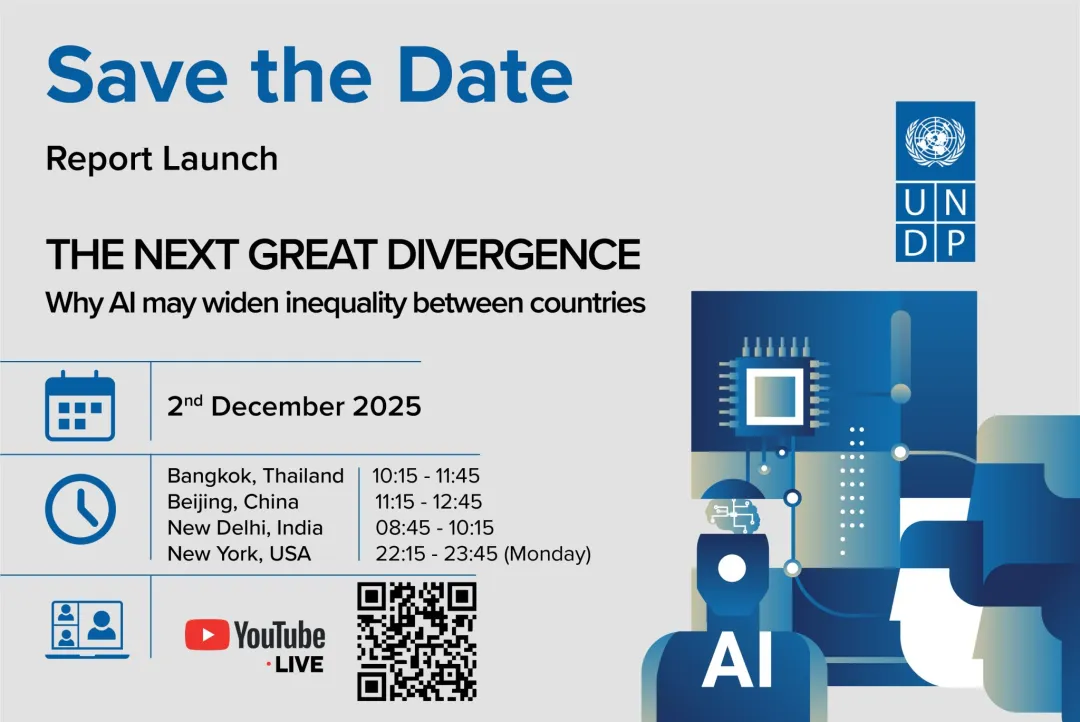
发布时间:北京时间:2025年12月2日 11:15-12:45;纽约时间:2025年12月1日 22:15-23:45;曼谷时间:2025年12月2日 10:15-11:45;新德里时间:2025年12月2日 08:45-10:15
全球观众直播地址:m.youtube.com/watch?v=cwQLIHRbtvc
写在发布前(Prior to release)
领跑还是掉队:亚太的人工智能时刻 (Racing Ahead or Left Behind: Asia-Pacific’s AI Moment)
坎尼・维格纳拉贾,联合国助理秘书长,联合国计划开发署亚太主任(Kanni Wignaraja, UN Assistant Secretary-General and UNDP Regional Director for Asia and the Pacific)
人工智能正在重塑全球机遇与风险格局。这一点在亚太地区的两极表现中最为显著。正因如此,联合国开发计划署(UNDP)将于今年12月发布《下一个大分化:人工智能为何可能扩大国家间不平等》,报告传递的核心信息明确:人工智能发展正不断提速,但并非每个人、每个国家都拥有先发优势,并非处于同一起跑线,也并非都能平等应对其带来的颠覆性挑战。
Artificial Intelligence is redrawing the global map of opportunity and risk. And nowhere is this more visible than in Asia and the Pacific on both ends. That’s why, this December, UNDP is launching The Next Great Divergence: Why AI may widen inequality between countries, a regional report with a clear message: AI is accelerating, but not everyone and every country has a head-start, is on the same path or can equally manage the disruptions.
部分国家正疾驰领跑,而另一些国家却困在起点,缺乏与之匹配的数字基础设施、相关技能或治理机制。然而,这场变革带来的冲击已在全球范围内显现。
While some countries are sprinting ahead, others are stuck at the starting line, lacking the digital infrastructure, skills, or governance mechanisms to keep pace. Yet, the shake-up from this transformation is already being felt everywhere.
对于所有致力于亚太地区发展、并在思考如何及在多大程度上融入人工智能以拓展和加速发展战略、提升发展能力与覆盖范围的从业者而言,这份报告提供了诸多关键洞见。以下是一些思考要点:
The report offers some key takeaways for all of us working on development across Asia and the Pacific and wondering how to, and how much, to embed AI to extend and accelerate development strategy, capability and reach. Some reflections:
人工智能的设计与应用必须贯穿 “人、经济、治理” 三重视角。人工智能既能赋予人们能力,也可能将部分群体排除在外;既可能激发创新,也可能导致就业岗位流失;在保障普惠接入与健全防护机制的前提下,还能提升机构的敏捷性。
AI must be designed and delivered through a triple lens of People, Economy, and Governance. AI can empower or exclude. It can spark innovation or displace jobs. It can make institutions more agile, where access is inclusive and safeguards are strong.
亚太地区是全球范围广阔、多样性突出的试验场。该地区的人工智能创新步伐迅猛,但同时也面临着悬殊的人均收入差距(高达 200 倍)和严峻的性别不平等问题。这些现状可能会放大与人工智能相关的偏见,其影响在不同社群、不同代际和不同国家间存在巨大差异。
Asia and the Pacific is the world’s vast and diverse testing ground. The region is innovating fast on AI. It is also the region that faces stark contrasts in per capita incomes (a 200-fold gap) and gender gaps loom large. These dynamics can amplify AI-related biases, with impacts that vary widely across communities, generations, and countries.
分化现象具有复杂性,其成因并非单一。它源于能力不平等、经济结构差异与治理缺口的相互作用,但这种分化同样可以被追踪、被理解,也能够被应对。
Divergence is complex. It won’t come from one source. It will emerge from the interplay of unequal capabilities, economic structures, and governance gaps. It can also be tracked, understood and addressed.
不存在 “一刀切” 的解决方案或单一路径。各国需要基于自身现实、能力与愿景,制定量身定制的路线图。报告中提供了明确的指标与案例对此加以佐证。
There is no one size or one way. Countries need tailored roadmaps, grounded in their realities, capacities, and ambitions. The report provides clear markers and cases that demonstrate this.
那么,我们所指的 “下一个大分化” 究竟是什么?它是指因人工智能而导致的国家间不平等加剧的时期 —— 这一时期已然来临,除非各国立即采取果断的纠正行动。它体现为 “塑造人工智能者” 与 “被人工智能塑造者” 之间的差距不断扩大,体现为 “构建相关工具与系统的国家” 与 “承受其影响的国家” 之间的鸿沟持续加深。这可能会逆转此前的 “大趋同” 时代 —— 在那个时代,电力等技术让数亿人摆脱了贫困。“下一个大分化” 不仅关乎下一个技术前沿,更关乎权力、获取渠道与自主能力。选择趋同还是分化,取决于人们 —— 取决于各国政府与领导人、企业与投资者,以及各项政策与制度选择。
So what do we refer to as the “Next Great Divergence”? A period of rising inequality between countries due to AI, that is already upon us —unless countries take decisive corrective action now. It is the widening gap between those who shape AI and those who are shaped by it. Between countries that build the tools and systems, and those that absorb the impact. This could cause the reversal of the Great Convergence, the era when technologies like electricity lifted hundreds of millions from poverty. The Next Great Divergence is about the next frontier of technology but also about power, access, and agency. It is with people – their governments and leaders, business and investments, policy and institutional choices – if to choose convergence or divergence.
这份报告的发布恰逢关键节点,它以今年《全球人类发展报告》的研究结果为基础,并将其与本地区的现实生活相结合,促使我们将人工智能置于政策与项目工作的核心位置 —— 它不应是事后补充的考量,而应成为人类发展的驱动力。
The report lands at a critical moment, building on the findings of this year’s Global Human Development Report and rooting them in the lived realities of our region the report challenges us to put AI at the core of our policy and programme work, not as an afterthought but as a driver of human development.
报告要求我们联合国开发计划署(UNDP)以紧迫感与谦逊态度积极行动:倾听各方声音、持续学习,协助各国自主规划发展道路。不存在统一的路线图,但我们肩负着共同的使命:确保人工智能成为推动全民繁荣的力量。
It asks us, as UNDP, to lean in with urgency and humility: to listen, to learn, and to help countries to be in charge of charting their own course. There is no single roadmap, but there is a shared imperative: to ensure that AI becomes a force accelerating prosperity for all.
对于联合国开发计划署(UNDP)的团队而言,这是一项行动号召:提升自身技能与相关体系建设,探索如何将这些洞见转化为新一代项目,并与所有利益相关方深化合作,共同迈向趋同发展的目标。刻不容缓!
For our UNDP teams, it is a call to raise our own skills and systems, to see how we can transform these insights into a new generation of programmes and engagement with all our stakeholders, to drive to that place of convergence. And soon!
新闻通告
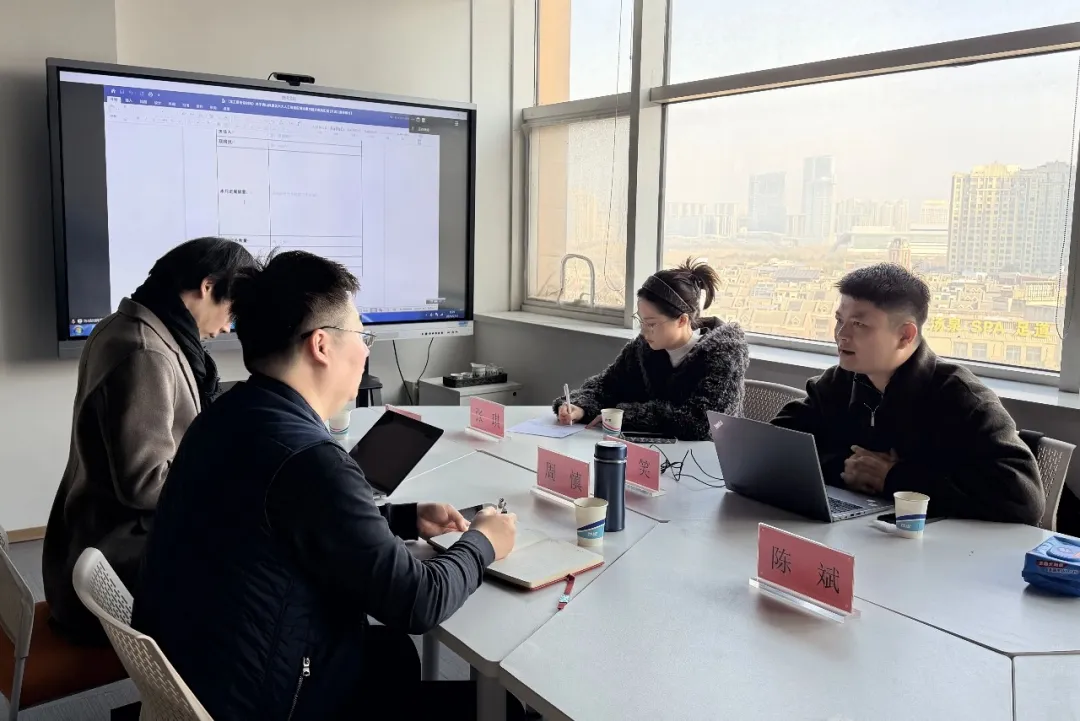
我院与合肥市场景公司开展节前工作洽谈

我院联合主办的“爱晚2026·安徽省AI春晚”,今晚20:00 全网上线!
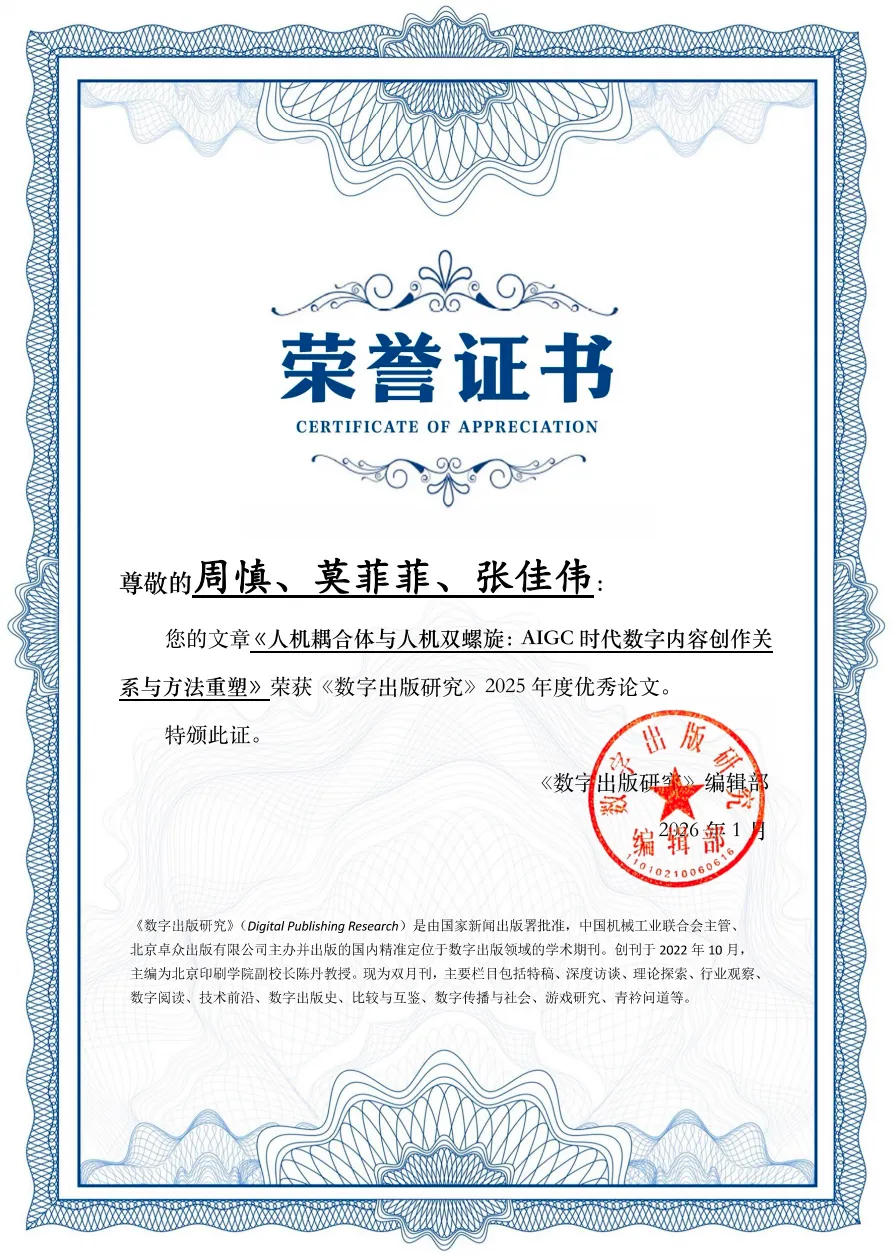
产学研融合显成效·思想引领视听文旅融合创新 | 研究院“人工智能+文化创意”学术成果获评《数字出版研究》年度优秀论文
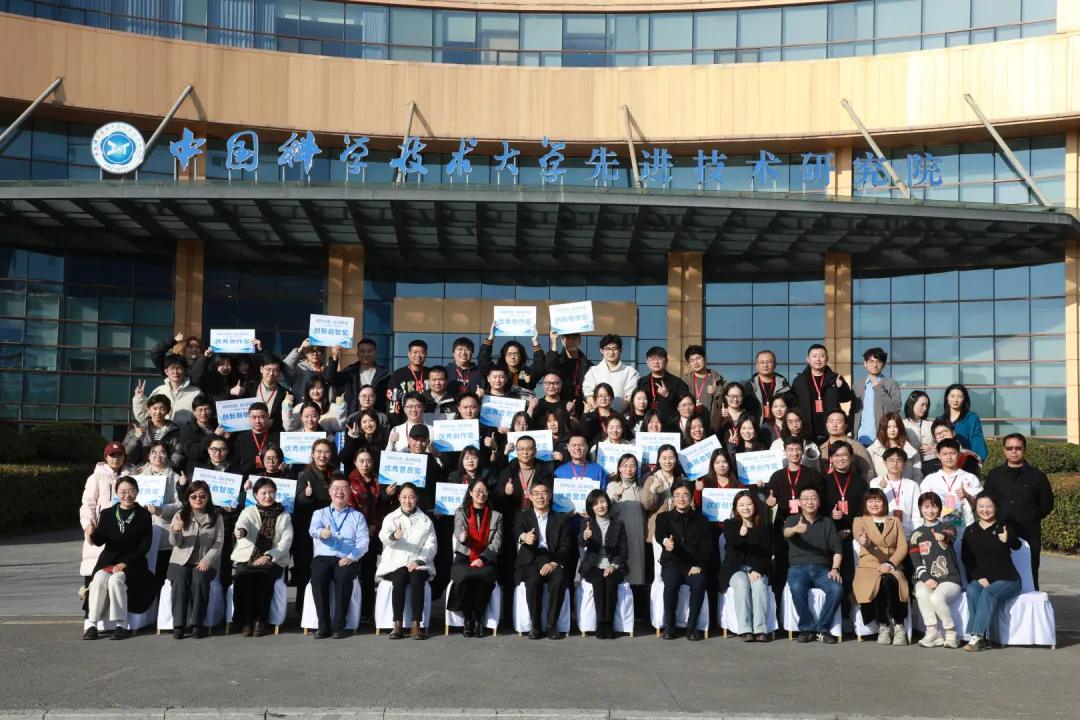
“爱晚2026·AI春晚媒介创新加速营”圆满结营
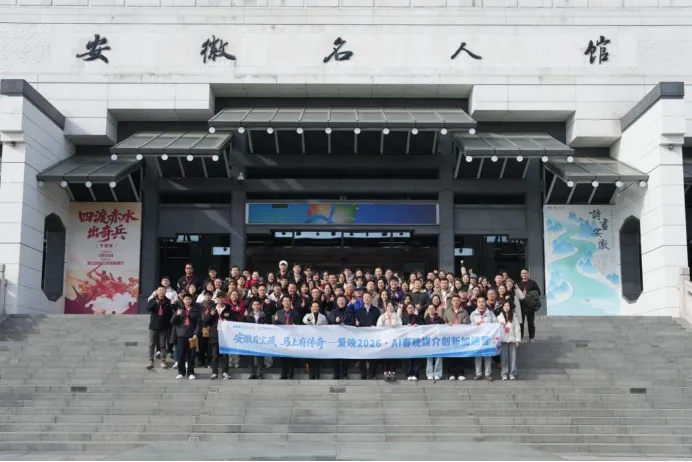
“爱晚2026·安徽省AI春晚”媒介创新加速营顺利开展 | 徽风皖韵承文脉,科里科气探未来

徽州人工智能研究院